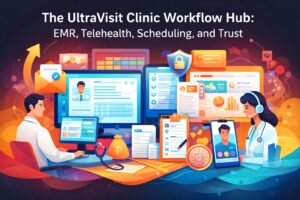
Running a clinic can feel like juggling, except the “balls” are real people, real deadlines, and one front desk phone that never stops ringing. Someone arrives early. Someone arrives late. Someone needs a receipt now. A doctor is trying to finish notes between consults. A follow-up is overdue. And somehow, you’re still expected to deliver care that feels calm, accurate, and consistent. No pressure, right?
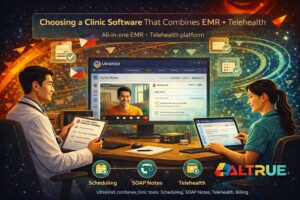
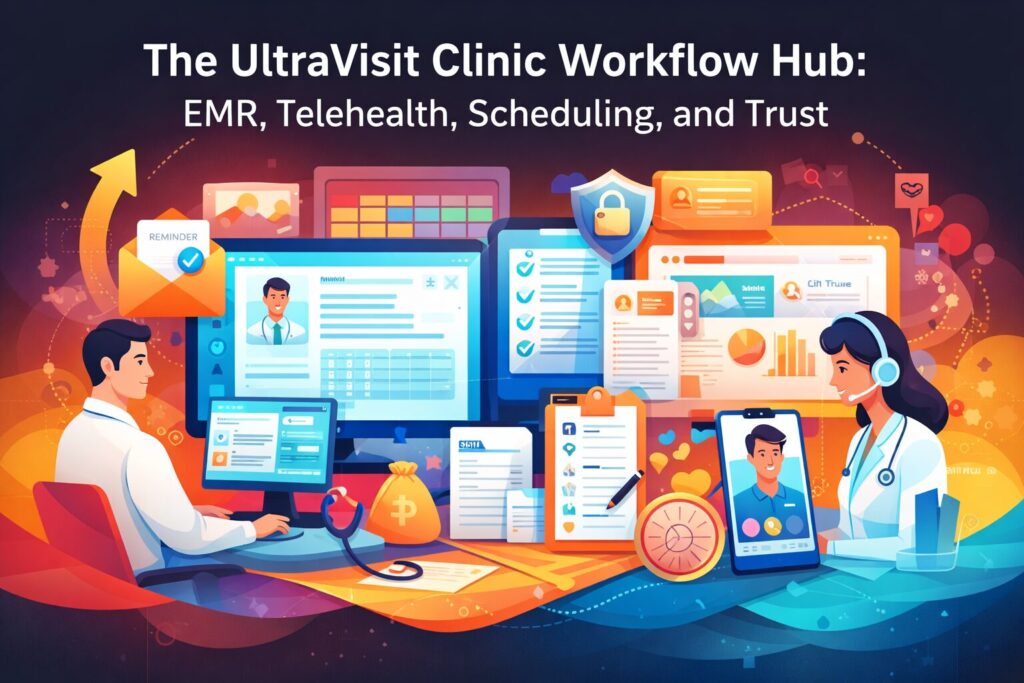
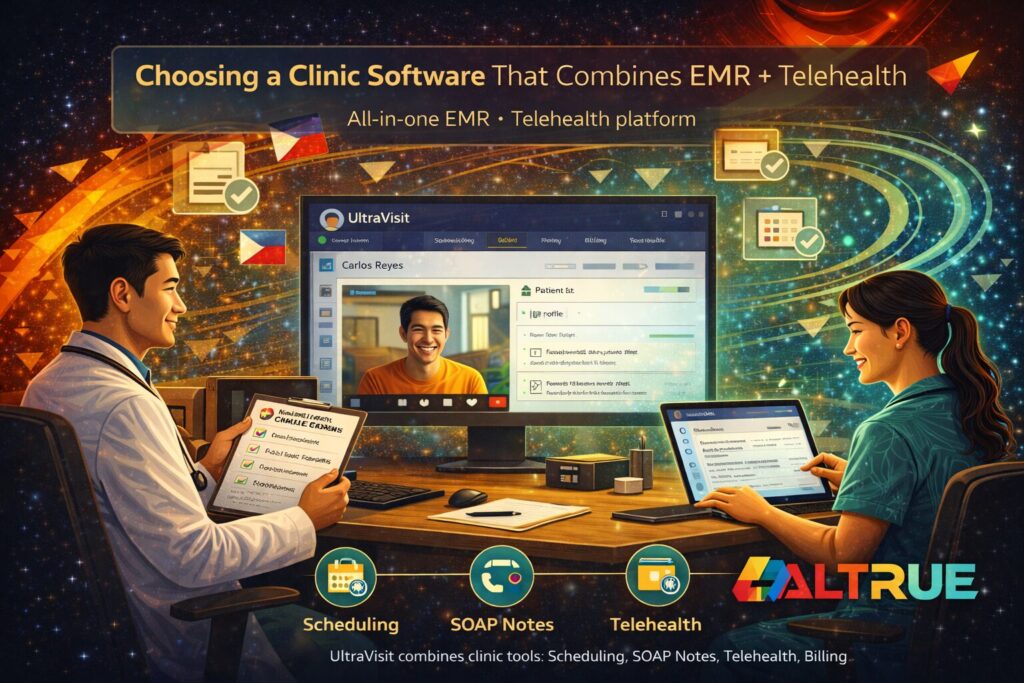
This is exactly why ALTRUE built UltraVisit as a Philippine-focused EMR + telehealth platform. The goal is to pull your workflow into one connected place, so scheduling, charting, billing, reporting, and follow-ups don’t live in separate universes.
This page is your navigation hub. If you’re exploring UltraVisit, or you’re already using it and want the workflow to feel less “chaos with a side of chaos,” start here. Pick the section that matches your biggest daily headache and go from there.
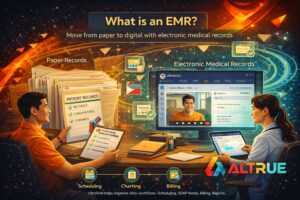
EMR basics: your clinic’s “single source of truth”
If your clinic still relies on folders, notebooks, or “ask the front desk,” you’re not alone. But paper systems get fragile the moment the day gets busy. One missing chart can derail half the morning and somehow everyone ends up stressed, including the printer.
Start here:
These are your foundation pages if you want a clean explanation of what an EMR does and why it matters when the clinic gets real-world busy.
Scheduling and patient flow: when the day feels chaotic
Scheduling isn’t just booking. It’s patient flow, clinician pacing, and the overall mood of the clinic. When scheduling is messy, the whole place feels messy. Even the most chill staff member starts doing that deep sigh every 10 minutes.
Go here:
A steadier schedule means fewer last-minute scrambles. And fewer scrambles means your team can breathe. Simple. Real.
Documentation: SOAP notes, prescriptions, and records that don’t haunt you later
Most clinics don’t struggle with documentation because people don’t care. They struggle because documentation takes time, gets postponed, and then comes back later like a plot twist: “Wait… what did we do last visit?”
If charting is your pain point, start here:
- SOAP Notes in EMR: Faster Clinic Documentation
- Printable Prescriptions and Clinic Record Keeping
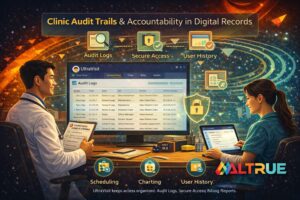
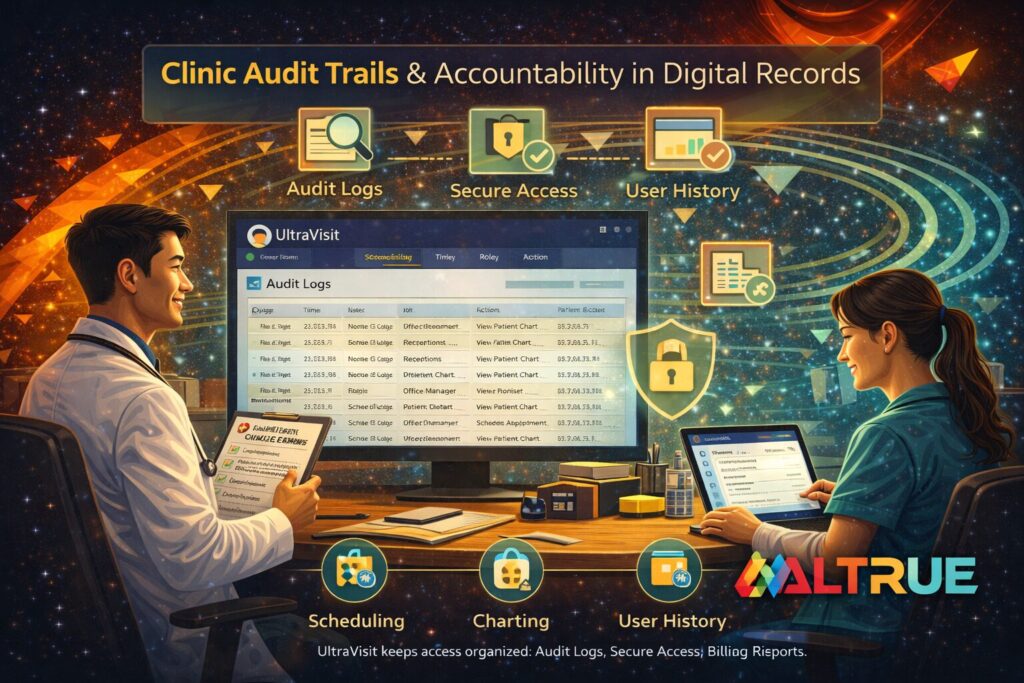
- Clinic Audit Trails and Accountability in Digital Records
This set is about the daily grind: faster notes, cleaner prescriptions, and dependable records when questions pop up weeks later.
No-shows and patient engagement: keep the schedule from collapsing
No-shows aren’t just an empty slot. They create awkward gaps, rushed catch-ups, and wasted prep time. And most of the time, patients didn’t skip out on purpose. They forgot. Life happened. Traffic happened. A boss happened.
If you want better attendance and fewer missed visits:
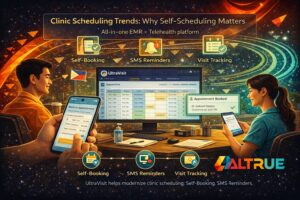
- Reducing Clinic No-Shows with Appointment Reminders
- Patient Self-Booking for Clinics
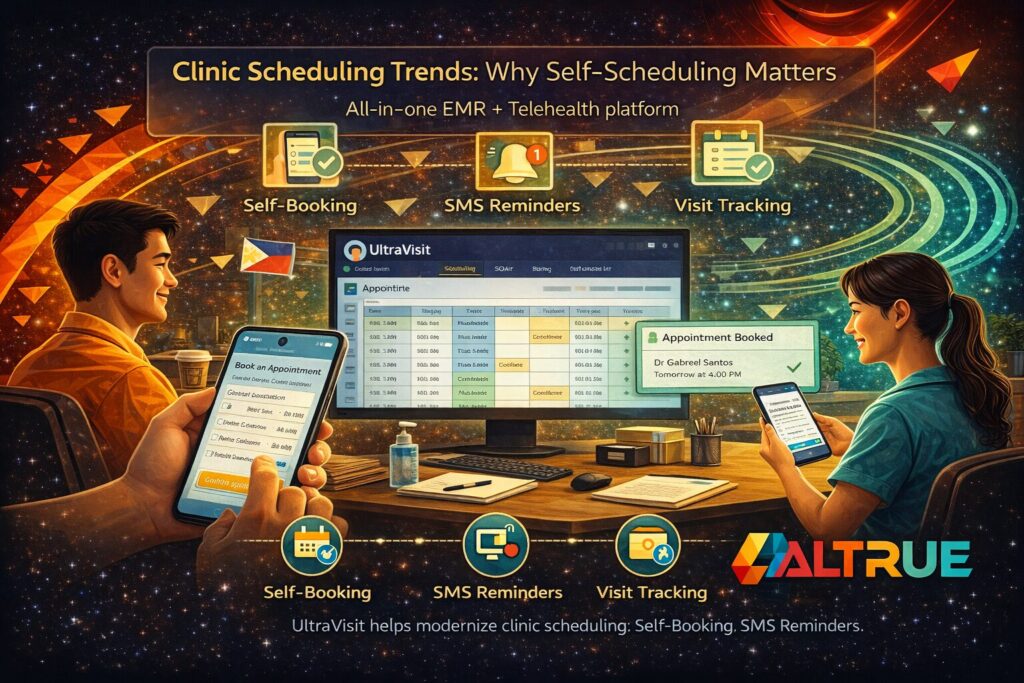
- Clinic Scheduling Trends: Why Self-Scheduling Matters
This isn’t “marketing.” It’s continuity. It’s keeping your day predictable enough that the clinic doesn’t feel like it’s constantly recovering from surprises.
Telehealth for follow-ups: real care, not “just a call”
Telehealth can be incredibly helpful for follow-ups. But it can also become messy if scheduling and documentation get scattered across different channels. That’s when teleconsults start feeling informal, and patients lose confidence.
If your clinic uses teleconsults or wants stronger follow-up continuity:
- Telehealth Platform in the Philippines for Follow-Up Consultations
- Telemedicine Consent Forms and Documentation
- Telemedicine Guidance for Physicians in the Philippines
- How to Prepare Patients for Telemedicine Visits
Telemedicine works best when it feels structured: clear notes, clear plan, clear next step. Not “we’ll figure it out later.”
Billing and operations: cash-based workflows that don’t get messy
Cash-based billing is common. The hard part isn’t collecting payment. The hard part is keeping billing and visit records aligned so staff can answer questions later without digging through folders and memory.
If receipts and reconciliation are slowing you down:
These are great if you want operations to feel cleaner and less dependent on end-of-week “let’s figure it out” sessions.
Privacy, access, and trust: the foundation nobody should gamble with
Privacy isn’t just a policy you print and file. It’s daily behavior: who can access what, how records are handled, and how the clinic avoids casual exposure when the day gets busy.
If you want stronger privacy habits and better control:
- Role-Based Access Control for Clinic Systems
- Data Privacy Act (RA 10173) and Clinic Data Handling
- Medical Records Disclosure and Patient Confidentiality (Philippines)
This is where trust becomes practical. Not scary. Not restrictive. Just clear boundaries that support real clinic work.
Readiness and care coordination: when you want the clinic to feel steadier
Readiness rarely fails because a clinic doesn’t care. It fails because records are inconsistent and the workflow is scattered. When patient capture and documentation are consistent, preparation becomes calmer.
If you’re thinking about readiness and clinic consistency:
- PhilHealth Konsulta: What Clinics Need to Prepare
- Improving Care Coordination in Clinics with EMR Tools
These are for clinics that want to feel proactive instead of constantly reacting.
A simple way to use this hub (no overthinking)
If you’re not sure where to start, use the “most annoying problem today” rule:
- If your biggest pain is documentation, start with SOAP notes and prescriptions.
- If your biggest pain is patient flow, start with scheduling and no-show reduction.
- If your biggest pain is follow-up continuity, start with telehealth + consent documentation.
- If your biggest pain is trust and accountability, start with privacy, RBAC, and confidentiality.
No perfection needed. Just pick the problem that drains your team the most right now and tighten that first. Once one part of the workflow stops fighting you, the whole clinic starts feeling calmer. Patients notice. Staff feel it. You already know the rest.
If you want to explore how Altrue and UltraVisit can support your clinic’s workflow, reach out through this Contact Us page.