Telemedicine is easy to start and surprisingly easy to mess up. Not because you’re careless. Because the moment you remove the physical exam, everything else needs to be tighter: history-taking, documentation, follow-up planning, and patient expectations.
So when people look up telemedicine guidelines Philippines or physician telemedicine guidance, what they really want is a calmer way to practice. Something that keeps quality high, keeps the workflow clean, and keeps patients from feeling like telehealth is “less real.”
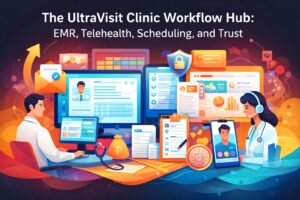
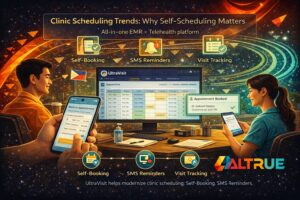
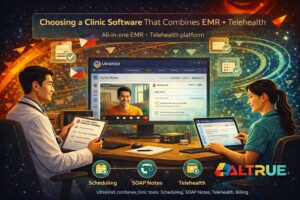
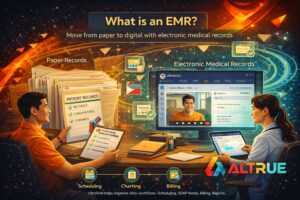
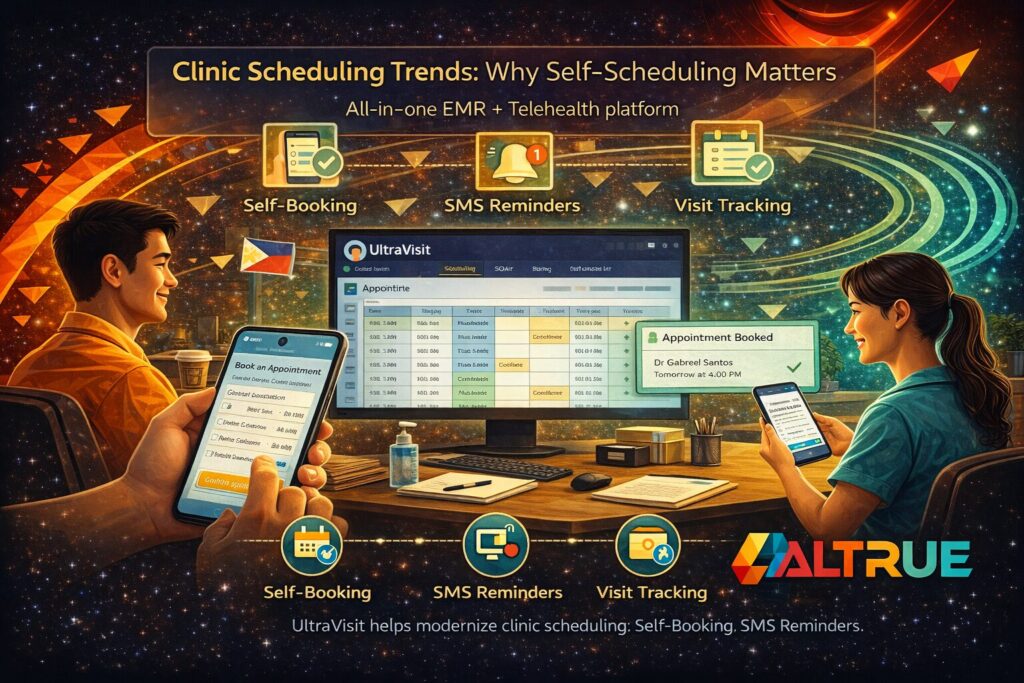
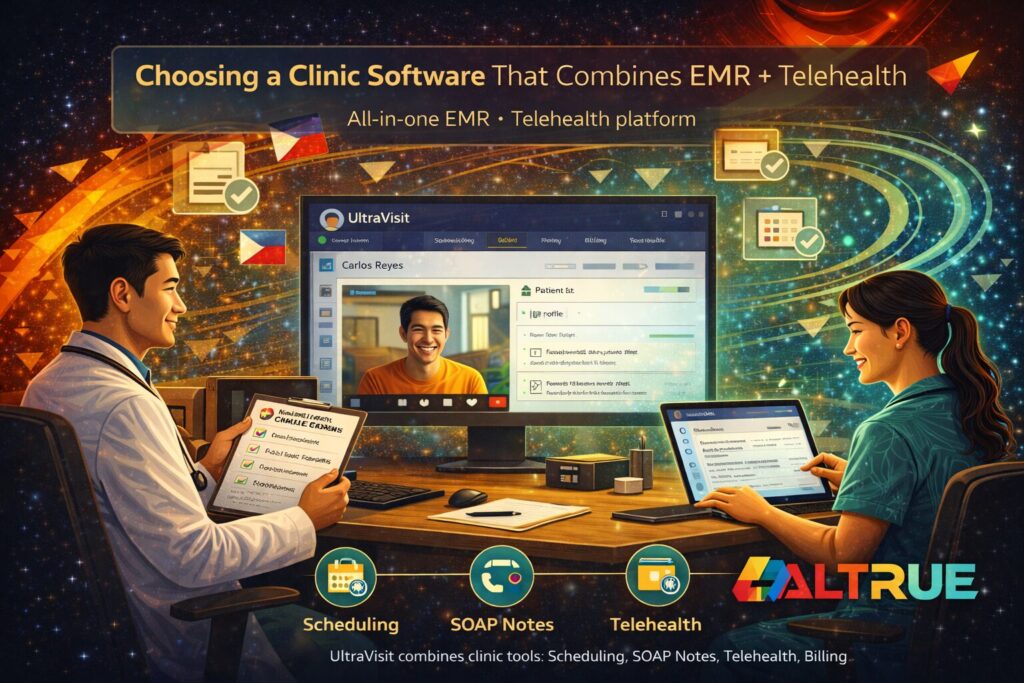
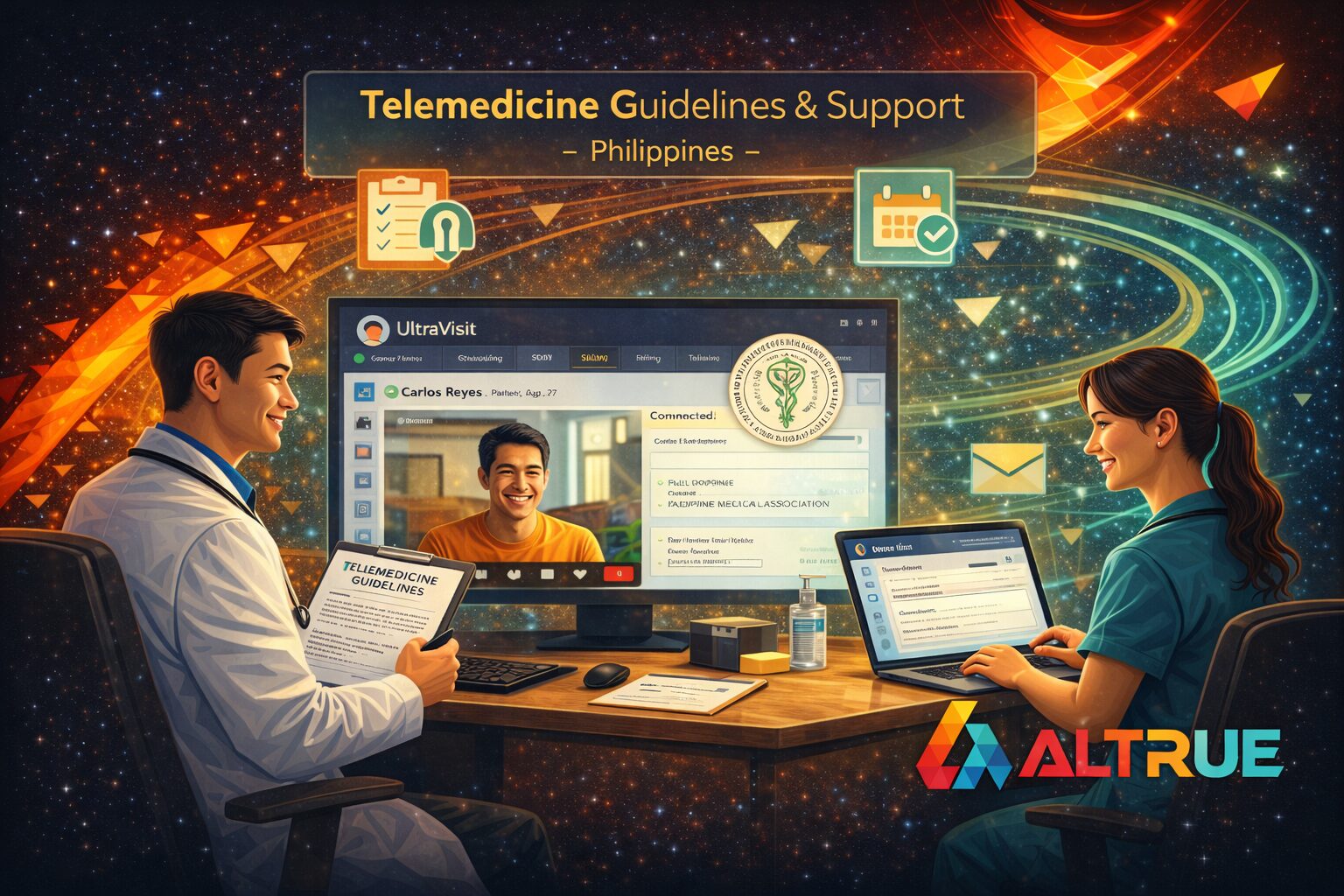
At Altrue, the point is real clinic impact. UltraVisit is a Philippine-focused EMR + telehealth platform designed to help clinics move from paper to a smoother, more organized workflow, from scheduling to charting, billing, and teleconsult follow-ups. It supports video teleconsult for follow ups, SOAP notes in seconds, scheduling and patient profiles, and secure access controls for your team, plus patient engagement tools like self booking and reminders to reduce no shows.
This isn’t about turning telemedicine into a complicated project. It’s about practicing well, consistently, and without the “did we document that?” stress.
Telemedicine guidelines Philippines: set expectations before the consult starts
Here’s the fastest way to ruin a teleconsult: start without a shared understanding of what’s possible.
Telemedicine works best when patients know:
- what can be handled remotely
- what might require an in-person visit
- what you need from them (good lighting, quiet space if possible, prepared questions)
- what the follow-up plan looks like
You don’t need a long speech. A short expectation-setting moment is enough. It protects clinical quality and patient satisfaction in one move.
UltraVisit supports this kind of structured workflow by keeping teleconsult scheduling and follow-up tracking in one system, so your clinic team can keep the experience consistent across patients. Consistency is what makes telehealth feel professional.
Physician telemedicine guidance: history-taking becomes your strongest tool
Without a physical exam, the history matters even more. You already know how to do it. But telemedicine forces you to be sharper.
A few practical habits help:
- Ask patients to describe symptoms in their own words first
- Then tighten with time course, triggers, and red flags
- Confirm what they’ve already tried
- Recheck key details at the end (yes, it feels repetitive, but it saves errors)
And write it down properly. Not later. Not after lunch. Now.
UltraVisit supports SOAP notes in seconds, which helps clinicians document the teleconsult while details are fresh. That reduces “memory charting,” which is where telehealth notes often get vague. Vague notes create vague follow-ups. Nobody wants that.
Telemedicine rules PH and clinical boundaries: be clear about escalation
Telemedicine works great until it doesn’t. The question isn’t “Will a case need escalation?” It’s “How fast will you recognize it?”
Your boundaries should be obvious:
- When a symptom requires physical assessment
- When vitals or diagnostic tests are needed
- When the patient’s environment makes telehealth unsafe or unreliable
Say it plainly. Patients usually appreciate it. It signals competence, not hesitation.
UltraVisit supports teleconsult follow-ups and repeat visit tracking so escalation decisions can be documented alongside the patient record. That makes the next encounter easier because the reasoning is visible. No guesswork.
FAQ: What should physicians document in a teleconsult?
For many clinics, teleconsult documentation is strongest when it captures:
- the chief concern and brief context
- the assessment summary and working impression
- the care plan and what the patient agreed to
- clear follow-up timing and escalation notes
UltraVisit supports SOAP notes and follow up notes and repeat visit tracking, which helps keep those details tied to the encounter.
Telehealth practice PH: don’t let follow-ups become a loose thread
A teleconsult is only as good as the follow-up plan. Otherwise, you get the classic pattern:
Patient feels slightly better, then stops.
Patient feels worse, then delays.
Patient forgets the plan and calls randomly.
That’s not care continuity. That’s care roulette.
UltraVisit supports:
- video teleconsult for follow ups
- follow up notes and repeat visit tracking
- reminders to reduce no shows
- self booking for patients
So your clinic can keep follow-up care structured. Not perfect, but structured. There’s a difference.
And structure reduces patient anxiety. It also reduces your clinic’s admin load. Nice bonus.
Telemedicine guidelines Philippines: protect privacy without making it awkward
Telehealth can feel casual. A patient might join from a workplace. A family member might be nearby. A staff member might be juggling screens.
So privacy needs to be baked into how you operate, not treated like a scary warning label.
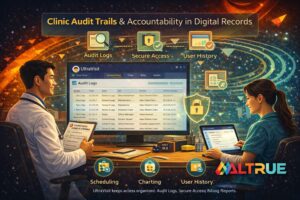
UltraVisit states it protects data in line with the Data Privacy Act of 2012 (RA 10173) and supports secure access controls for your team. In practical clinic terms, that means supporting role-based boundaries so staff access matches their responsibilities.
This matters because privacy mistakes often happen inside the clinic, not outside it. Shared logins. Open screens. Unnecessary access. You know the drill.
Documentation + prescriptions: make the plan retrievable, not just spoken
Telemedicine patients want something concrete to hold onto, even if the visit was virtual. The plan needs to be retrievable.
UltraVisit supports prescriptions you can print and save, which helps clinics keep medication instructions tied to the patient record. That reduces back-and-forth later when patients ask what was prescribed, or when follow-ups require adjustments.
It also supports a smoother front desk experience. Less scrambling for copies. Less “I think we prescribed…” conversations.
Here’s a simple view of what a connected telemedicine workflow can support:
| Telehealth Need | Common Risk | What UltraVisit Supports |
|---|---|---|
| Visit continuity | fragmented notes | SOAP notes plus repeat visit tracking |
| Follow-up reliability | missed appointments | Reminders and self booking |
| Patient trust | unclear plan | saved prescriptions and consistent documentation |
The best telemedicine practice feels calm, not heroic
If your telehealth workflow requires heroics, it’s fragile.
You want something calmer:
- a predictable scheduling flow
- a clean documentation habit
- a clear follow-up plan
- controlled access for your team
- patient engagement that reduces no-shows
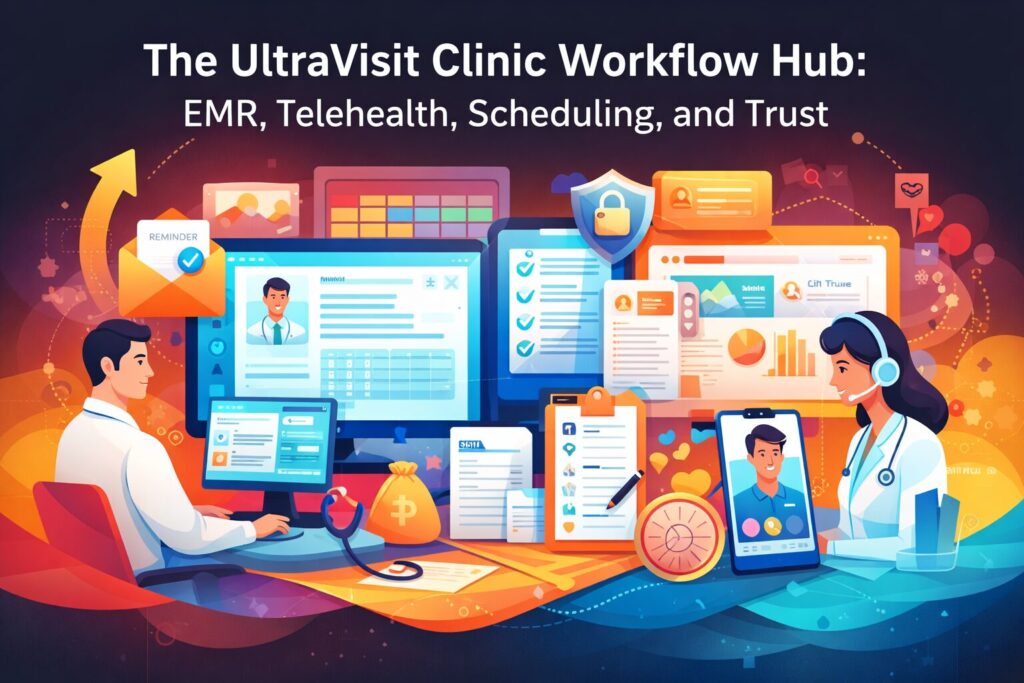
UltraVisit, powered by Altrue, supports that kind of practical telehealth workflow inside one platform that also covers scheduling, charting, billing, and reporting. The goal is less chaos and more consistency.
If you want to explore how Altrue and UltraVisit can support a stronger telehealth workflow for your clinic team, reach out through this Contact Us page.