A clinic does not pause just because the admin work is falling behind.
The day keeps moving. Patients arrive. Phones light up. Appointment changes come in while someone is still checking yesterday’s records. Billing questions wait beside claim updates. A reminder has to be sent. A concern needs to be routed to the right person. One missed follow-up can easily turn into three more calls.
That work may sit behind the front desk or inside a system, but patients feel it clearly.
They feel it when no one calls back. They feel it when a reminder comes late. They feel it when a billing concern keeps floating around without an answer. The team feels it too, because once small delays stack up, the day becomes less about serving patients and more about catching up.
This is where offshoring in the healthcare industry can help. It does not replace medical care, and it should never move clinical judgment away from licensed professionals. It simply gives healthcare teams dependable support for the routine, non-clinical work that keeps the whole operation from slipping.
Healthcare Offshoring Supports The Work Around Patient Care
Offshoring works best when the boundaries are clear.
Doctors, nurses, and licensed professionals should stay focused on diagnosis, treatment, medical advice, and patient decisions. Offshore support belongs around the care process, handling structured tasks that need accuracy, patience, and proper follow-through.
Outsource Healthcare Tasks That Keep Coming Back
Healthcare providers can offshore support work such as:
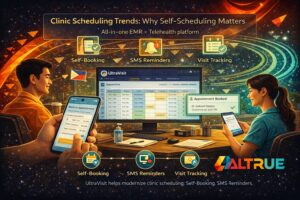
- Appointment scheduling
- Patient reminders
- Medical billing support
- Claims follow-up
- Data entry
- Medical transcription
- Customer support
- Telehealth assistance
- Back-office administration
These tasks are not small when they happen every day.
Handled properly, they reduce pressure on the local team and help patients get clearer, faster support.
Offshore Healthcare Support Can Make The Patient Journey Smoother
Patients may not know who updated a file or followed up on a claim.
They only know whether the process felt easy or frustrating.
If someone answers clearly, sends the reminder on time, checks the concern, or routes the question properly, the patient feels guided. If no one does, the patient feels forgotten.
Keep Patient Communication Moving
Offshore healthcare teams can help manage routine inquiries, update patient information, organize follow-ups, support billing teams, and keep communication from sitting too long.
This kind of work is quiet.
But in healthcare, quiet work matters. It helps the day feel less scattered, not just for patients, but for the staff trying to keep everything moving.
Technology Helps, But Process Still Carries The Work
Digital tools have made healthcare offshoring easier to manage.
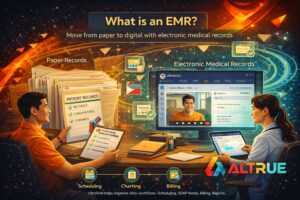
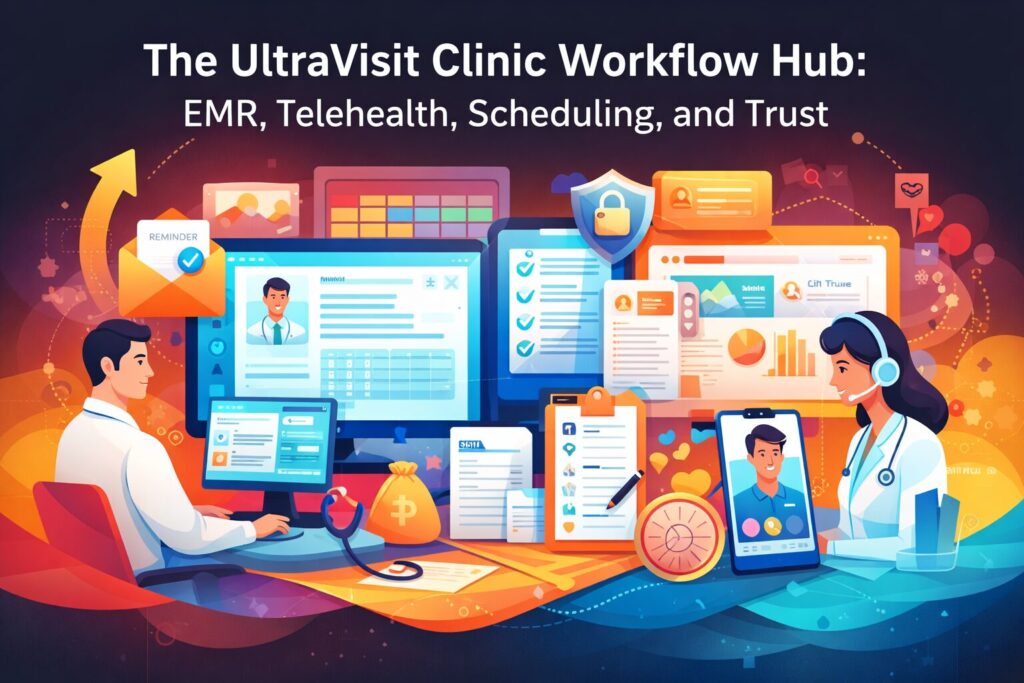
Electronic health records, telehealth platforms, secure messaging, cloud systems, and online scheduling can all support remote healthcare operations when used with care.
But tools alone do not create order.
A platform can store the record, but someone still needs to update it correctly. A system can send reminders, but someone has to check the setup. A telehealth platform can connect people, but the workflow still needs to be clear.
Build Healthcare Workflows People Can Follow
A good offshore setup should answer simple questions.
Who owns the task? Where should the update be saved? Who checks the work? When should something be escalated? Which details should stay inside approved systems?
Clear rules prevent guessing.
And in healthcare, guessing is not a workflow.
Data Security Should Be Built Into Daily Work
Healthcare information is personal.
Names, insurance details, billing records, appointment notes, and medical documents should never be handled casually. If offshore staff support healthcare operations, access should be limited and managed from the start.
Protect Patient Data With Secure Processes
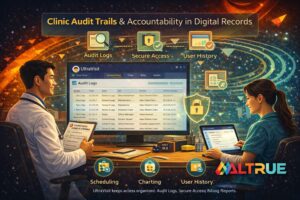
Use role-based access, named accounts, multi-factor authentication, secure file sharing, audit trails, and regular access reviews.
Give each person only the access needed for their assigned work.
That is not extra paperwork.
That is how patient trust is protected.
The Right Healthcare Offshoring Partner Makes A Difference
Healthcare support is not ordinary admin work with medical terms added.
Accuracy matters. Tone matters. Privacy matters. A delayed update, unclear note, or missed escalation can affect how patients feel about the provider.
Choose A Healthcare Offshoring Partner Carefully
A good partner asks about the real workflow first.
Which tasks are delayed most often? What systems does the team use? Who reviews the work? What information is restricted? What needs immediate escalation?
Those answers shape support that fits the facility instead of forcing the facility to adjust around the support.
Offshoring Gives Healthcare Teams More Breathing Room
The value of offshoring in the healthcare industry is not only lower cost.
It is breathing room.
Calls are handled. Claims move. Records stay cleaner. Reminders go out. Support requests do not sit as long. Local teams feel less buried, and licensed professionals have more space for the decisions only they should make.
That is where healthcare offshoring works best.
Not as a replacement for care.
As support around care.
If your healthcare organization needs reliable offshore support, clearer workflows, and more room for your team to focus on patients, connect with ALTRUE PH through Contact Us and explore how offshoring in the healthcare industry can help strengthen daily operations.