A customer usually contacts support because something already feels inconvenient.
Maybe the delivery is late. Maybe a payment did not reflect. Maybe they asked for help yesterday and are now wondering if anyone is actually checking. By the time they call, chat, or send an email, they are not looking for a perfect script.
They want someone who understands the issue and knows what to do next.
That is why contact center optimization matters. It is not just about answering faster or closing more tickets. It is about making support feel organized, connected, and useful for the customer and the team.
Contact Center Optimization Starts With The Real Problem
A contact center can look busy on a report.
Calls answered. Tickets closed. Chats handled.
But a customer can still feel ignored if they have to explain the same issue again, wait too long for updates, or receive answers that do not match.
Define Contact Center Goals That Customers Can Feel
Good goals should be practical.
Can customers reach help faster? Can agents see the previous conversation? Are answers clear? Are issues solved the first time? Do promised follow-ups actually happen?
These are the details customers remember.
Agents Need Information They Can Trust
Even a good agent struggles when information is scattered.
One answer is in an old file. Another update is in a team chat. A new instruction is sitting in someone’s inbox. While the agent searches, the customer waits.
That pause matters.
It can make the business sound unprepared.
Build A Contact Center Knowledge Base That Stays Current
A useful knowledge base should be simple, searchable, and updated often.
Keep answers short. Mark the latest version. Add sample responses when needed. Remove old instructions before they confuse the team.
Agents should not need to hunt for basic answers while a customer is waiting.
Omnichannel Support Should Feel Connected
Customers do not care which channel they used first.
They may start through chat, follow up by email, then call the next day. To them, it is one concern with one company.
So when they have to repeat everything from the beginning, it feels like no one listened.
Improve Omnichannel Contact Center Workflows
Strong workflows keep customer history, notes, ownership, and next steps visible.
The next agent should know what was already discussed. A supervisor should see what is delayed. The customer should not have to explain the same story again just because the channel changed.
That is not extra service.
That is basic coordination.
Quality Assurance Should Help Agents Improve
Quality assurance should not feel like someone waiting for agents to make mistakes.
When QA becomes too harsh or too mechanical, agents start thinking more about the scorecard than the customer. That can make conversations stiff.
Use Contact Center QA For Real Coaching
Review the parts of service that matter in real conversations.
Did the agent listen properly? Was the answer correct? Was the explanation clear? Was the tone respectful? Was the next step documented?
Good QA should make the next conversation better, not make agents afraid of the last one.
Workforce Planning Keeps Support From Feeling Rushed
Customers can tell when an agent is under pressure.
The answer becomes shorter. The tone feels tired. The follow-up may be missed because the queue is already full again.
Sometimes the issue is not the agent.
It is the schedule.
Improve Contact Center Workforce Management
Use real demand patterns to plan coverage. Look at peak hours, call volume, chat traffic, email load, issue types, and agent skills.
A better schedule leaves room for breaks, training, coaching, and sudden spikes. When the team is not always catching up, service becomes calmer.
Security Should Be Part Of Daily Support
Contact centers often handle personal details, account records, billing concerns, refunds, and other sensitive information.
That kind of access should be controlled carefully.
Set Secure Access Rules For Contact Center Teams
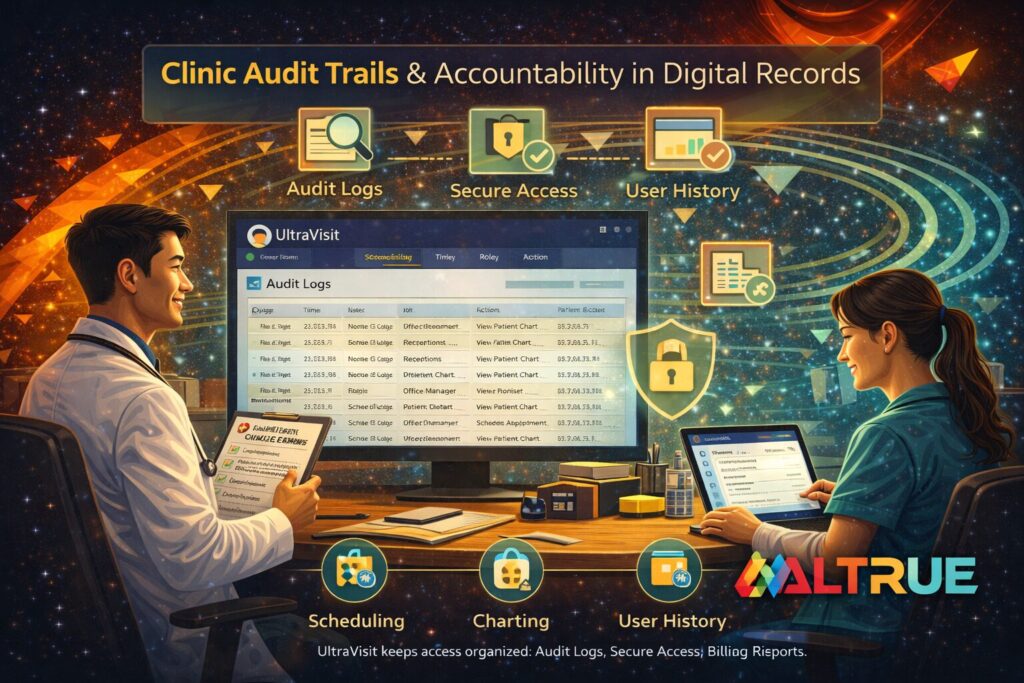
Use role-based access, named accounts, multi-factor authentication, audit trails, and approval steps for sensitive actions.
Give agents enough access to help customers, but not so much that the business becomes exposed.
Good service and security should work together.
Contact Center Data Should Point To Real Bottlenecks
Reports should help leaders see what is actually happening.
If customers keep calling about the same issue, the team needs to know why. If agents keep missing the same step, the workflow may need fixing. If one channel has longer delays, staffing or routing may need a closer look.
Track Contact Center Metrics That Help Decisions
Useful metrics include first contact resolution, customer satisfaction, service level, average speed of answer, abandon rate, quality scores, rework, and cost per resolved contact.
The goal is not to collect every number.
The goal is to understand what needs to improve.
Better Contact Centers Feel Easier To Trust
A better contact center does not have to feel complicated.
It should feel steady.
Customers get clearer answers. Agents know where to look. Managers understand what slows the team down. Follow-ups are tracked. Security rules protect the work without blocking good service.
That is the value of contact center optimization.
It gives the team a cleaner way to work and gives customers a better reason to trust the business.
If your business wants a smoother and more reliable customer support operation, connect with ALTRUE PH through Contact Us and how our team can help with more clarity, consistency, and confidence.